2-Way Cleanout Installation Stops Repeat Sewer Root Backups
Tree and shrub roots are one of the most common - and most stubborn - causes of repeat sewer backups. They find the smallest crack in a pipe, work their way in, and just keep growing. You clear the line, things run fine for a while, and then the problem comes back. That cycle doesn't end on its own.
Here's what we were working with on this one: a main sewer line that kept getting choked out by root intrusion. The homeowner was dealing with recurring backups, which is exactly the kind of problem that gets worse over time if you don't address the access side of it. Just snaking the line isn't enough when roots keep coming back to the same spot.
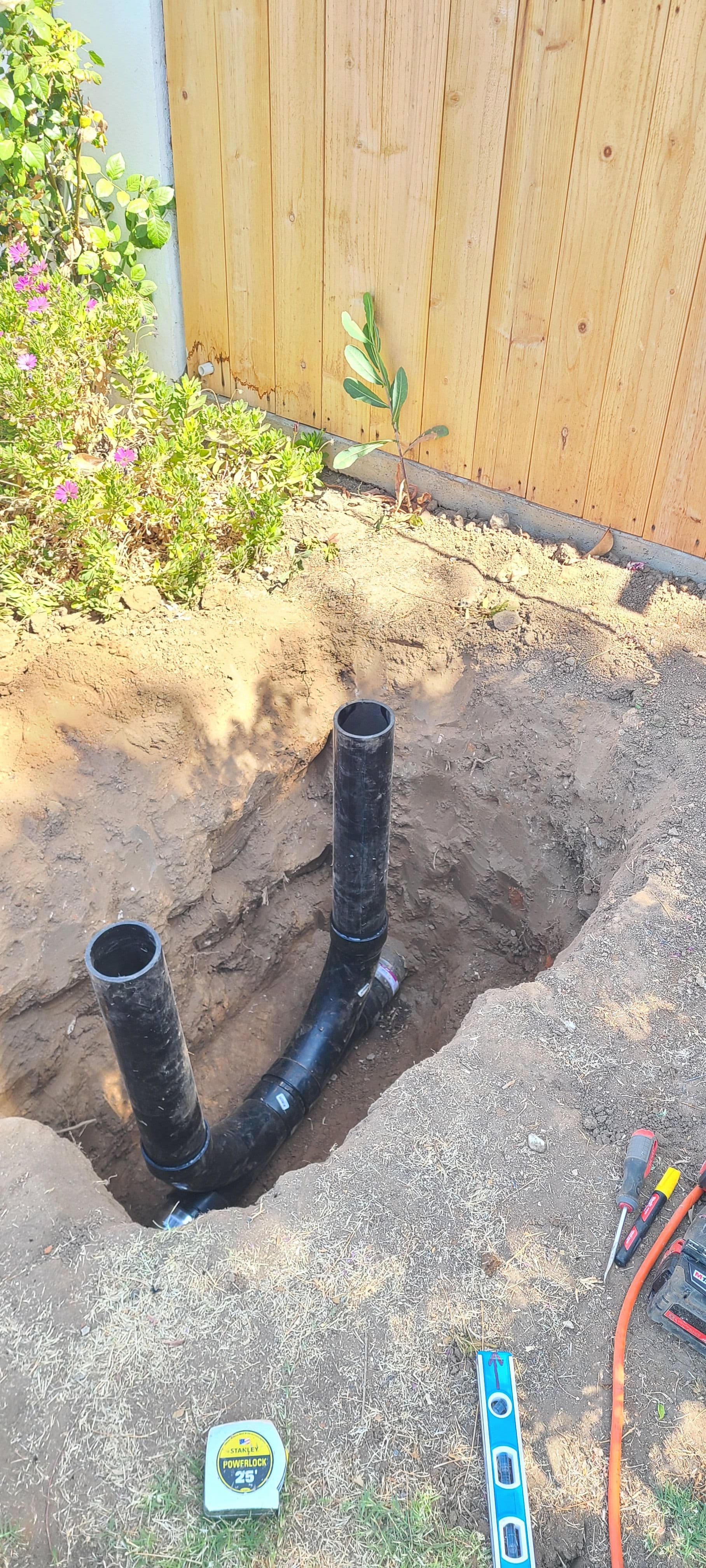
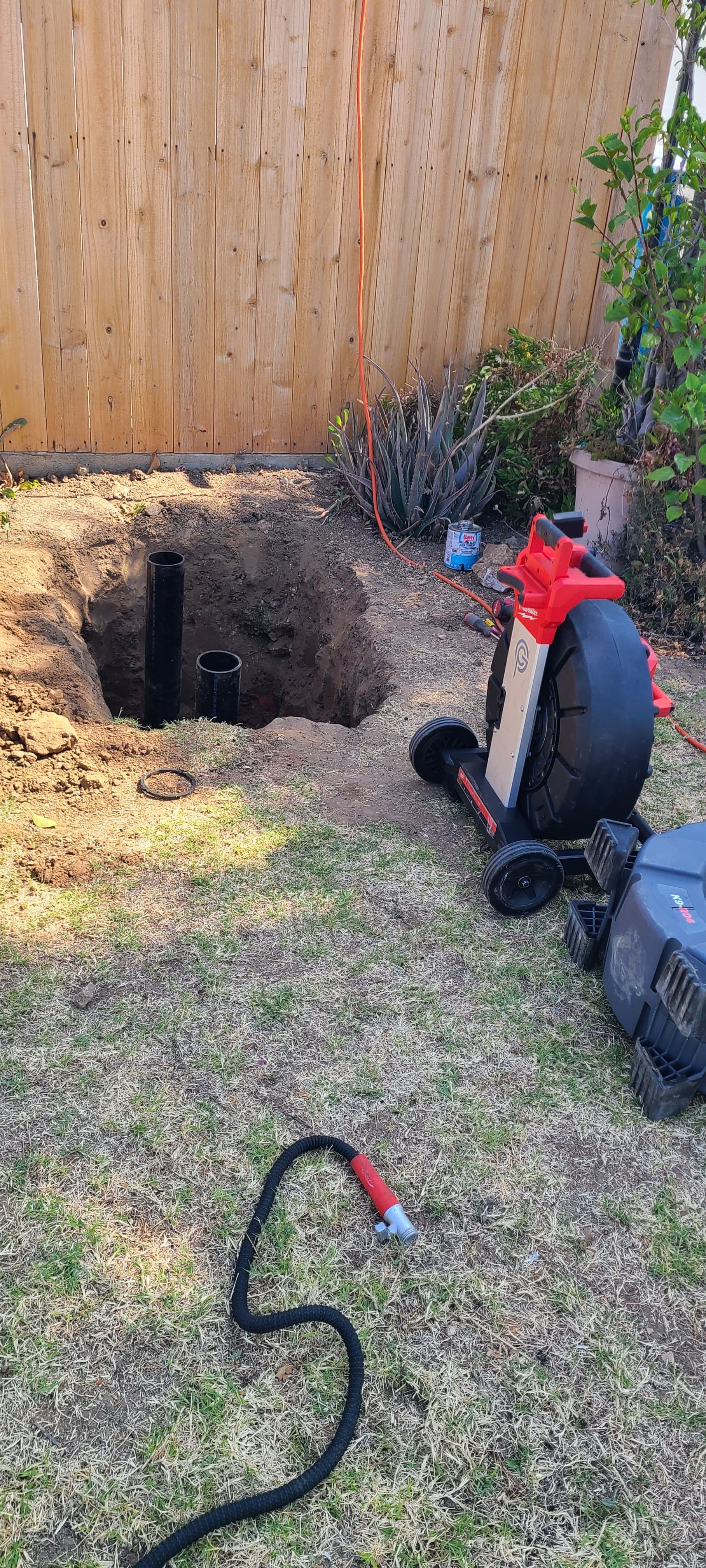
Our fix was installing a 2-way cleanout tied directly into the main sewer line. That gives us - and the homeowner - a dedicated access point to clear blockages fast without having to dig every single time it becomes an issue. We ran the drain snake from the cleanout to break through the root intrusion and get flow restored. You can see the camera inspection equipment on site too - that's how we confirm the line is actually clear and there's no secondary damage hiding further down the pipe.
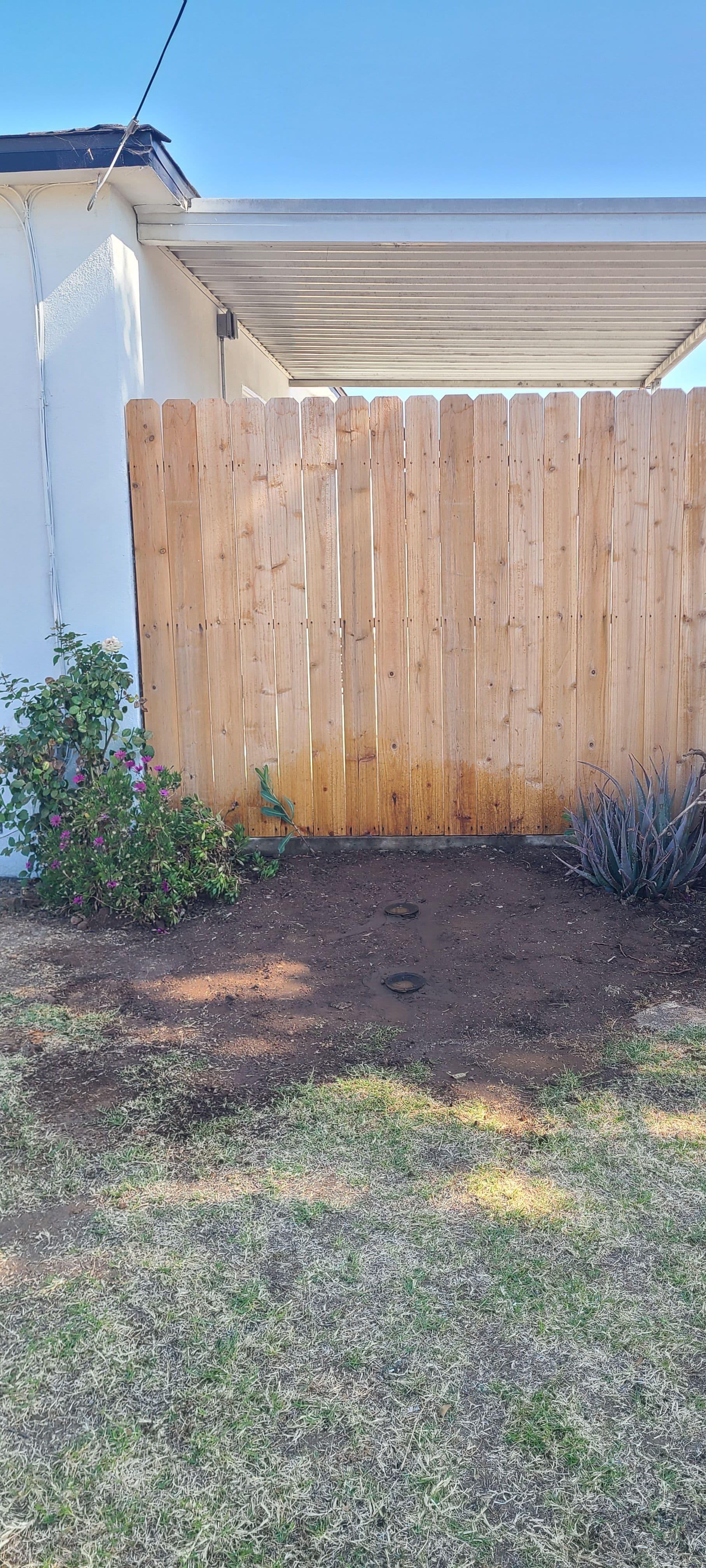
Once the cleanout risers were set, we backfilled the excavation and capped everything flush to grade. Clean finish, minimal disruption to the yard, and now there's a proper service point that makes future maintenance straightforward. That's the difference between a temporary fix and one that actually sets the homeowner up for the long run.
A 2-way cleanout is one of those upgrades that doesn't look like much from the outside but makes a real difference the next time a problem comes up. No guesswork, no unnecessary digging - just direct access to the line so we can get in, handle it, and get out.